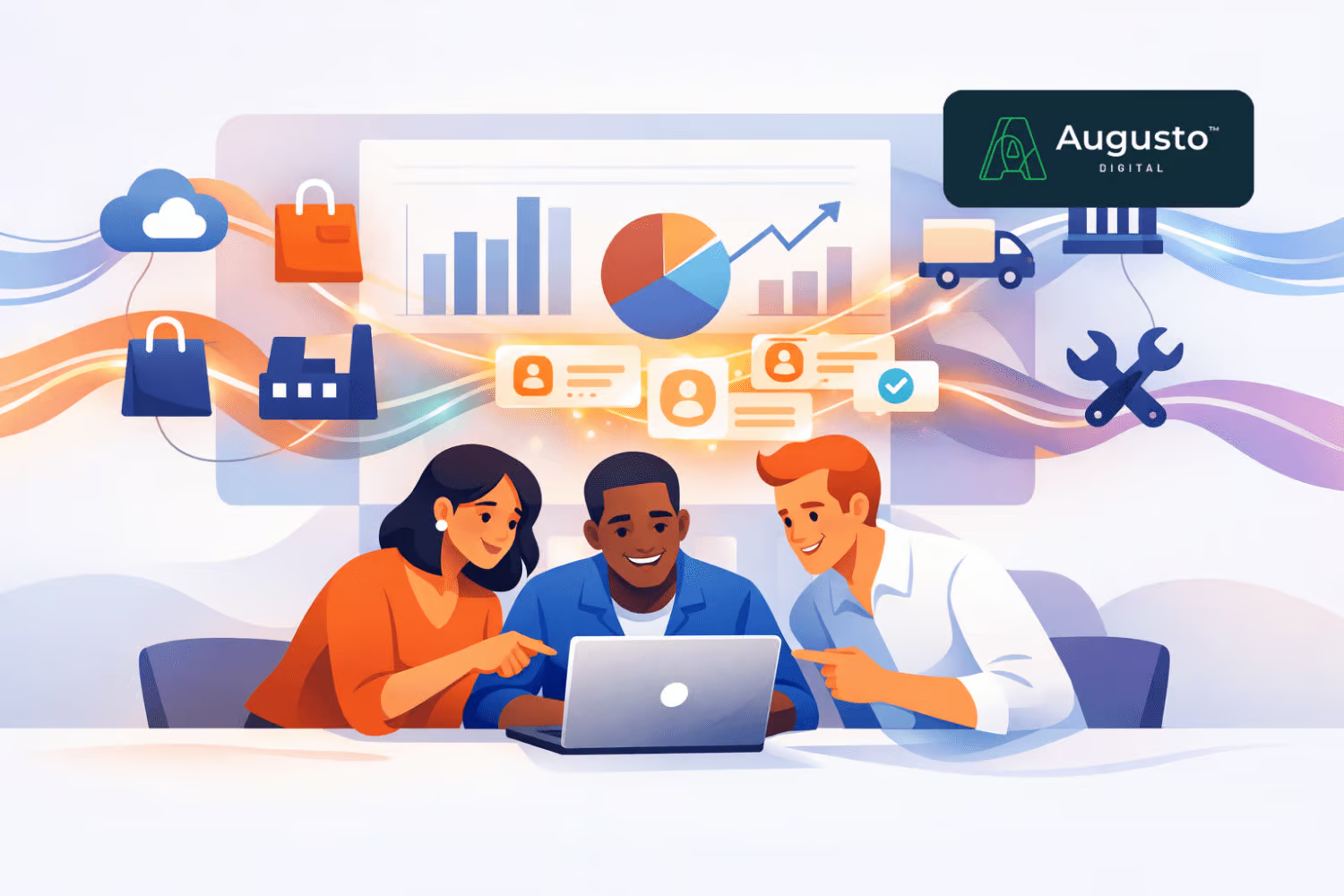
What is predictive analytics?
Predictive analytics uses historical and real-time data to estimate what is likely to happen next with a practical definition.
In sales and marketing, that often means predicting:
- Which leads are most likely to convert
- Which opportunities are most likely to close (and which are at risk)
- Which customers are likely to churn
- Which products, services, or offers a customer is likely to choose next
- Which segments will respond best to a message, channel, or timing
The value is not the prediction by itself. The value is what your teams do with it, especially when the insight shows up inside the tools where people already work.
How does predictive analytics improve sales performance?
Sales teams do not need more dashboards. They need clarity.
Lead scoring is only useful when it reflects what actually correlates with revenue. That means combining firmographics and intent with real buying behavior, not just vanity engagement.
Examples across industries:
- B2B services and consulting: prioritize prospects showing multi-stakeholder engagement and repeat intent (content depth, proposal requests, second meetings)
- Manufacturing and distribution: prioritize accounts where reorder patterns, seasonality, and inventory signals suggest a near-term purchase window
- SaaS: prioritize accounts with product-qualified signals (depth of usage, key feature adoption, team expansion)
When it works, reps spend less time chasing low-fit leads and more time advancing the deals that are most likely to close. Many teams operationalize this directly in the CRM predictive sales analytics inside the CRM.
How does predictive analytics improve marketing performance?
Marketing improves when you stop treating your audience like one average person.
Predictive segmentation uses observed behavior to group people by likely intent, not assumed personas. This approach helps teams tailor offers, content, and channels to what customers actually do predictive marketing examples.
Examples across industries:
- E-commerce and retail: predict product affinity and tailor merchandising, recommendations, and promotions
- Financial services: predict propensity to apply, upgrade, or engage and align messaging accordingly
- Education and nonprofits: identify which prospects are most likely to enroll, attend, or donate based on engagement patterns and timing
Most teams waste their budgets in the same two places. They over-invest in channels that look good at the top of the funnel, and they under-invest in the sequences that create qualified demand.
Predictive models help by estimating:
- Which channels drive high-quality leads, not just clicks
- Which sequences increase downstream conversion
- Where incremental spend stops paying off
This often uses propensity modeling to estimate the likelihood of action for a given segment and offer what propensity marketing means.
A great message can fail if it arrives at the wrong moment.
Predictive models can estimate when a prospect is most likely to take action so your team can send the right message when it is most useful.
How does predictive analytics improve retention and expansion?
Predictive analytics is just as valuable after the sale.
Churn rarely happens overnight. There are usually signals.
- Declining usage or engagement
- Support tickets trending upward
- Billing friction
- Reduced stakeholder involvement
Predictive models can flag risk early so teams can respond with a playbook that matches the reason for the risk predictive customer analytics for churn and loyalty.
Expansion is not only about selling more. It is about creating the right moments.
The goal is to move from reactive renewal conversations to proactive value creation.
How do you implement predictive analytics successfully?
Teams get stuck when they start with the model instead of the operating reality.
A more reliable path looks like this:
- Start with decisions, not data: Choose one or two decisions to improve first, such as who sales should call, which deals need manager attention, which customers are at risk, or where marketing should spend next month.
- Fix the inputs that matter most: You do not need perfect data. You do need consistent definitions. Start with lifecycle stages, attribution rules, a handful of CRM fields that drive segmentation, and the customer signals you trust.
- Embed insights into workflows: Put scores and recommendations where people already work. Tie each insight to an action, add lightweight playbooks, and provide simple explanations so teams trust the output.
- Monitor, learn, and iterate over time: Treat predictive analytics as a living system. Add monitoring, feedback loops, and periodic recalibration as products, markets, and behavior change.
Frequently asked questions
What data do you need for predictive analytics in sales and marketing?
Most organizations start with CRM data (leads, opportunities, stages, outcomes), marketing performance data (channel, campaign, engagement), and customer signals (product usage, transactions, support, billing). The key is consistent definitions and reliable capture.
How long does it take to see value from predictive analytics?
Teams often see early value within weeks by starting with one focused decision, such as lead prioritization or churn risk, and embedding the outputs directly into workflows. Larger programs take longer, but early wins are common when scope stays practical.
Conclusion: Predictive analytics should make work easier
Predictive analytics is most powerful when it reduces guessing and increases confidence.
The best implementations do not just produce smarter outputs. They change how sales and marketing work together.
- shared definitions and metrics
- fewer handoffs that lose context
- clearer prioritization
- measurable improvements in conversion, retention, and growth
If you are exploring predictive analytics and want to pressure-test use cases or assess data readiness, we are happy to talk. For a related perspective on AI-enabled service and satisfaction, see practical ways to improve customer experience.
Let’s build a practical path from signals to revenue impact. Schedule Meeting with an Augusto consultant.
Let's work together.
Partner with Augusto to streamline your digital operations, improve scalability, and enhance user experience. Whether you're facing infrastructure challenges or looking to elevate your digital strategy, our team is ready to help.
Schedule a Consult